

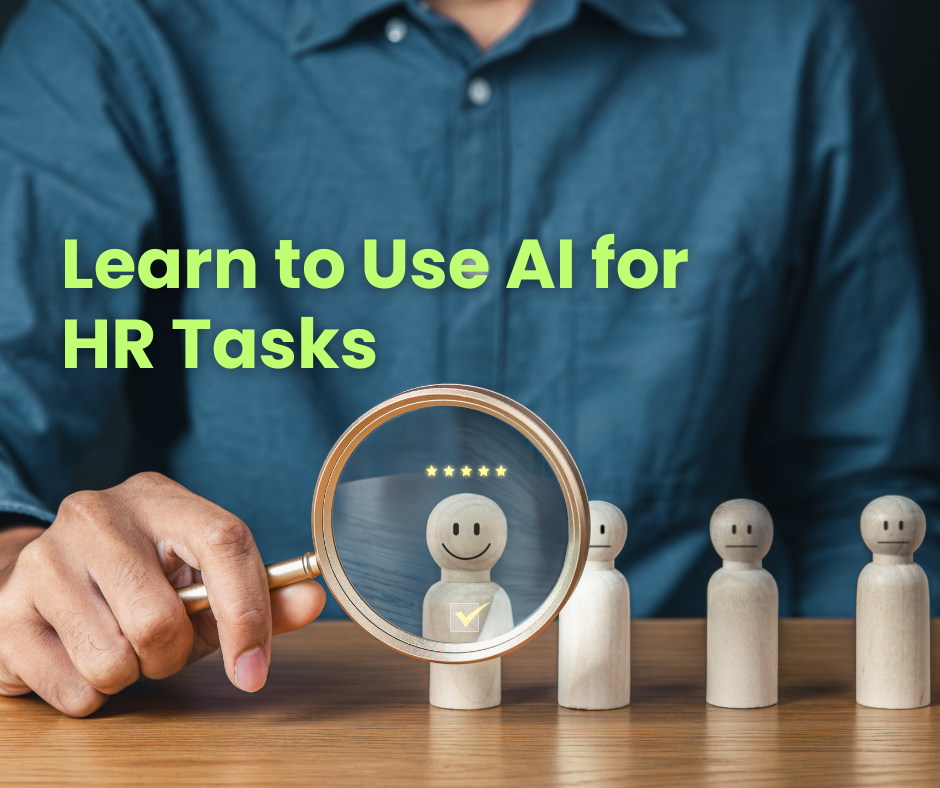
Running a business means dealing with endless HR paperwork, slow hiring processes, and employee questions that never stop. What if there were a way to handle most of these tasks automatically while making better decisions about your team?
AI can transform how you manage people in your company. It’s not about replacing your HR team. It’s about giving them tools to work smarter and focus on what really matters.
Why HR Teams Need AI Right Now
Traditional HR work takes too much time. Screening resumes, scheduling interviews, and answering the same employee questions over and over. These tasks eat up hours that could be spent on strategy and employee development.
Here’s what’s happening in companies that use AI for HR:
- 37% faster writing when creating job descriptions and policies
- 30-50% reduction in administrative costs
- 25% decrease in recruitment expenses
- 20-35% productivity boost across HR functions
The numbers don’t lie. Companies using AI in HR see real results within the first year.
Core AI Applications That Actually Work
Recruitment and Hiring
AI changes how you find and hire people. Instead of manually reading hundreds of resumes, AI screens candidates automatically. It matches skills to job requirements and ranks applicants by fit.
What AI can do:
- Screen resumes in minutes instead of hours
- Generate job descriptions that attract the right candidates
- Schedule interviews automatically
- Analyze video interviews for key traits
Companies using AI for recruitment cut their time-to-hire by 30%. That means filling positions faster and keeping productivity high.
Employee Support and Questions
Your HR team probably answers the same questions daily. “How many vacation days do I have?” “What’s our remote work policy?” “How do I update my benefits?”
AI chatbots handle these routine questions 24/7. They give instant answers and free up your HR team for complex issues that need human judgment.
Benefits you’ll see:
- 30-50% fewer routine HR tickets
- Instant responses to common questions
- 24/7 availability for employee support
- More time for strategic HR work
Performance Management
AI analyzes employee data to spot patterns you might miss. It can predict who might quit, identify high performers, and suggest personalized development plans.
This isn’t about monitoring employees. It’s about understanding what makes your team successful and creating better working conditions.
Administrative Tasks
Payroll, compliance tracking, benefits administration. These necessary but time-consuming tasks can be largely automated with AI. The result? Fewer errors and more time for important work.
Popular AI Tools for HR Teams
ChatGPT for HR Tasks
ChatGPT helps with writing-heavy HR work. Use it to:
- Draft job descriptions
- Create policy documents
- Write interview questions
- Respond to employee emails
The key is learning how to give it clear instructions. The better your input, the better the output.
Specialized HR AI Platforms
Workday: Comprehensive HR management with AI features across recruiting, performance tracking, and reporting.
HireVue: Video interview platform that uses AI to assess candidates and speed up hiring decisions.
Lattice: Performance management tool that uses AI to identify trends and predict employee engagement issues.
Moveworks: Enterprise chatbot that handles employee questions in over 100 languages.
Each tool serves different needs. Start with one area where you have the biggest pain points.

Step-by-Step Implementation Guide
Step 1: Identify Your Biggest Problem
Don’t try to fix everything at once. Pick one HR function that causes the most headaches:
- Slow hiring process?
- Too many routine employee questions?
- Manual performance reviews taking forever?
Focus on solving one problem well before moving to the next.
Step 2: Set Clear Goals
Define what success looks like with specific numbers:
- Reduce time-to-hire from 45 days to 25 days
- Cut routine HR questions by 40%
- Decrease recruitment costs by 25%
Vague goals lead to disappointing results. Be specific about what you want to achieve.
Step 3: Choose the Right Tool
Research tools that solve your specific problem. Look for:
- Easy integration with existing systems
- User-friendly interface
- Strong customer support
- Reasonable pricing for your company size
Don’t get caught up in fancy features you won’t use. Simple solutions often work best.
Step 4: Start Small
Run a pilot program with one department or HR function. This lets you:
- Test the tool without major disruption
- Train your team gradually
- Work out problems before full rollout
- Show early wins to build support
Successful pilots make company-wide adoption much easier.
Step 5: Train Your Team
Your HR team needs to understand how to use AI tools effectively. This means:
- Basic training on the specific tools you choose
- Understanding what AI can and cannot do
- Learning to interpret AI-generated insights
- Knowing when human judgment is still needed
Good training prevents expensive mistakes and maximizes your investment.
Step 6: Monitor and Adjust
Track your results against the goals you set earlier. If you’re not seeing the expected improvements, figure out why:
- Is the data quality poor?
- Do team members need more training?
- Is the tool not the right fit?
Be ready to make changes based on what you learn.
Understanding Costs and ROI
Initial Investment
AI implementation isn’t cheap. Expect costs for:
- Software licensing
- System integration
- Staff training
- Ongoing maintenance
Small to medium companies typically spend $50,000-$200,000 for comprehensive AI implementation. Large enterprises can spend much more.
Return on Investment
The good news? Most companies see positive ROI within two years. Here’s what drives the returns:
Cost Savings:
- Reduced time spent on routine tasks
- Lower recruitment costs
- Fewer errors in payroll and compliance
- Less overtime for HR staff
Revenue Impact:
- Faster hiring means less lost productivity
- Better employee retention saves replacement costs
- Improved performance management increases output
Companies report median ROI of 15% from HR AI investments. Top performers achieve 55% or higher.
Timeline for Results
Don’t expect instant transformation. Most benefits appear gradually:
- Months 1-3: Initial time savings on routine tasks
- Months 4-6: Improved hiring speed and quality
- Months 7-12: Better employee engagement and retention
- Year 2+: Full ROI realization and strategic benefits
Plan for at least a year to see major results.
Common Challenges and How to Solve Them
Data Privacy Concerns
Employees worry about AI systems accessing personal information. Address this by:
- Being transparent about what data you collect
- Explaining how the data is used and protected
- Getting proper consent before implementation
- Working with legal teams to ensure compliance
Trust is crucial for successful AI adoption.
Employee Resistance
Many people fear AI will replace them. Combat this fear through:
- Clear communication about AI’s role as a helper, not replacement
- Training that shows how AI makes their jobs easier
- Involving employees in the selection and implementation process
- Highlighting career development opportunities that AI creates
Change management is just as important as the technology itself.
Technical Integration
Most companies have existing HR systems that may not work well with new AI tools. Plan for:
- Data migration and cleanup
- System integration costs
- Potential downtime during transitions
- Training on new workflows
Work with IT teams early in the planning process.
Skill Gaps
Many HR teams lack technical skills for AI implementation. Bridge this gap by:
- Hiring external consultants for initial setup
- Providing comprehensive training for existing staff
- Partnering with AI vendors that offer strong support
- Building internal expertise gradually
Don’t let skill gaps stop you from moving forward.

Future of AI in HR
AI capabilities are advancing quickly. Here’s what’s coming:
Smarter Automation
Future AI will handle more complex tasks that currently require human judgment. Think strategic workforce planning and complex problem-solving.
Better Personalization
AI will create truly personalized employee experiences. Custom learning paths, individualized benefits recommendations, and tailored career development plans.
Predictive Analytics
Advanced AI will predict workforce trends with higher accuracy. This helps with strategic planning and prevents problems before they happen.
Seamless Integration
AI tools will work together better, creating unified systems that handle the entire employee lifecycle smoothly.
Companies that start now will be ready for these advances.
Taking Action
AI in HR isn’t a future concept. It’s happening now, and companies using it gain competitive advantages in hiring, retention, and productivity.
Start with your biggest pain point. Choose a simple solution. Test it carefully. Scale gradually.
The goal isn’t to eliminate human judgment from HR. It’s to free your team from routine work so they can focus on strategy, employee development, and building company culture.
Ready to transform your HR operations with AI? The technology exists. The benefits are proven. The question is whether you’ll act before your competitors do.
If you want help developing a practical AI strategy for your HR team, contact us to discuss how we can simplify AI adoption for your organization and create measurable improvements in your people operations.
Comment:
Код binance
December 15, 2025 at 2:47 amYour article helped me a lot, is there any more related content? Thanks! https://accounts.binance.info/zh-TC/register-person?ref=DCKLL1YD