

The corporate training world is changing fast. AI tools are making it easier to train employees, track their progress, and get better results. Companies are spending billions on training, and AI is helping them do it smarter.
Here’s the thing. You don’t need to be a tech expert to use AI in your training programs. These tools are practical, proven, and already working for companies across Southeast Asia and beyond.
Let’s look at 20 specific ways you can use AI to improve how you train your team.
1. Create Personalized Learning Paths for Each Employee
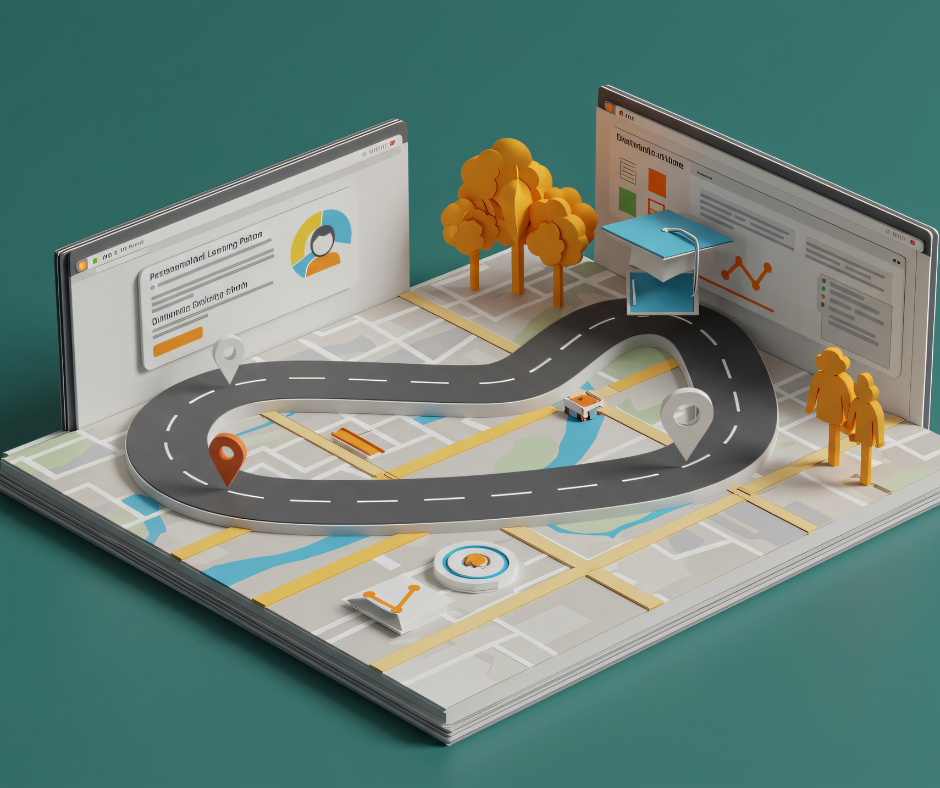
AI can analyze what each employee knows and what they need to learn. It then builds a custom training plan just for them.
Johnson & Johnson uses this approach. They analyzed data from 4,000 technologists to create personalized skill development plans. The system looks at current skills, career goals, and performance data.
Why it works: People learn better when training matches their actual needs. A new sales rep gets different modules than someone with 10 years of experience.
How to start: Use AI platforms that connect to your HR system. They’ll pull employee data and suggest relevant courses automatically.

2. Build Training Content in Minutes, Not Months
AI tools can turn your existing documents into full training courses. Upload a PDF or presentation, and get back structured lessons with quizzes.
360Learning reports that 20% of courses on their platform are now AI-generated. That’s over 3,100 courses created by 600 companies in just one month.
The impact: Content creation time drops by 60-80%. Your team can launch new training programs in days instead of weeks.
Real example: A pharma company converted their compliance documents into interactive modules. What used to take 2 weeks now takes 2 hours.
3. Identify Skill Gaps Before They Become Problems
AI analyzes performance data to spot where your team is falling short. It predicts future skill needs based on market trends and company direction.
How it helps: You can plan training before problems hit. If AI predicts you’ll need data analysts in 6 months, you start training now.
Tools like iMocha and TalentGuard scan employee records, project data, and assessment results. They show exactly which skills are missing and who needs training.

4. Train With Virtual Reality Simulations
VR lets employees practice real scenarios without real risk. They can handle difficult customers, operate machinery, or manage emergencies in a safe space.
Walmart uses VR to train staff for Black Friday crowds. Boeing trains assembly workers on aircraft parts. Bank of America teaches loan officers how to handle emotional conversations.
The results: 75% retention rate with VR training compared to 10-30% with traditional methods. Employees train 4 times faster and feel 275% more confident.
Cost factor: Yes, VR needs headsets. But companies report 70% reduction in training costs overall. Bosch saw 30% higher engagement after switching to VR.
5. Get 24/7 Training Support With AI Chatbots
Chatbots answer employee questions anytime, anywhere. No waiting for HR to respond or digging through training manuals.
Accenture’s chatbot handles 1.2 million employee queries every year. It points people to the right training modules and answers policy questions instantly.
Why employees like it: They get help when they need it. At 2 AM or during lunch break. The chatbot never sleeps.
For your business: Less burden on HR staff. More time for strategic work instead of answering the same questions repeatedly.
6. Deliver Bite-Sized Learning That Actually Sticks
AI breaks down complex topics into 2-10 minute modules. Employees can learn during coffee breaks or between meetings.
Studies show AI-driven microlearning boosts efficiency by 57%. Platforms like 5Mins.ai cut training time by 60-80% while increasing engagement by 6-10 times.
The science: Our brains retain information better in small chunks. Microlearning matches how people actually learn.
Practical use: Turn your 2-hour compliance training into 12 short modules. Employees complete them over a week instead of sitting through one long session.
7. Predict Which Employees Will Struggle (And Help Them)
AI spots patterns in learning data. It can tell you which employees might fall behind before it happens.
The system tracks engagement, quiz scores, and completion rates. When someone starts struggling, it alerts you and suggests interventions.
Early intervention: Offer one-on-one coaching or easier materials before they give up completely.
Business impact: Higher completion rates. Less wasted training budget. Better overall results.
8. Generate Training Videos Automatically
AI video tools create professional training videos in minutes. You write a script, choose an avatar, and the AI does the rest.
Synthesia and HeyGen are popular choices. They offer 500+ avatars speaking 280+ languages.
Real numbers: Bosch reduced video production costs by 70%. Training videos that took weeks now take hours.
Use case: Create product training in English, Mandarin, and Bahasa Malaysia simultaneously. Update videos instantly when products change.
9. Translate Training Into 280+ Languages Instantly
Your team speaks different languages. AI translates all your training materials automatically while keeping the same tone and structure.
This is huge for companies in Southeast Asia where teams speak Malay, Mandarin, Tamil, English, and more.
What you get: One training program that works across all your regional offices. No need to recreate materials for each market.
Quality check: Modern AI maintains context and cultural nuances. It’s not just word-for-word translation.
10. Add Gamification That Adapts to Each Person
AI-powered gamification adjusts challenges based on how well someone is doing. Top performers get harder tasks. Beginners get support.
Platforms like Axonify report 6-10x higher engagement with adaptive gamification.
How it works: Points, badges, and leaderboards that actually mean something. Not just participation trophies.
The psychology: People stay motivated when challenges match their skill level. Too easy is boring. Too hard is frustrating. AI finds the sweet spot.
11. Track Performance With Real-Time Analytics
AI dashboards show exactly how your training is performing. Who’s completing modules. Who’s struggling? Which topics confuse people.
You can see ROI by connecting training data to business metrics. Did sales training actually increase sales? The data will tell you.
Decision making: Stop guessing which training works. Use data to invest in programs that deliver results.
Course correction: If 60% of people fail a quiz on the same topic, you know that section needs work.
12. Provide Instant, Personalized Feedback
AI gives employees immediate feedback on assignments, role-plays, or quizzes. No waiting days for a trainer to review their work.
The feedback is specific to their mistakes and suggests exactly how to improve.
Learning speed: Immediate feedback accelerates learning. Employees can correct mistakes right away instead of reinforcing bad habits.
Scale: One trainer can only review so many submissions. AI can handle thousands simultaneously.
13. Curate Content Based on Job Role and Performance
AI recommends courses based on what someone does and how they’re performing. A marketing manager gets different suggestions than a warehouse supervisor.
The system looks at job requirements, skill gaps, and career goals to suggest the most relevant training.
Efficiency: Employees don’t waste time on irrelevant courses. They focus on skills that matter for their role.
Career development: The AI can map out learning paths for promotion. Want to become a manager? Here are the 8 courses you need.
14. Automate Onboarding for New Employees
AI creates personalized onboarding journeys for each new hire. Different departments get different content. Senior hires skip basic material.
The system tracks progress and sends reminders. It can answer common questions about benefits, policies, and procedures.
First impression: New employees get organized, professional onboarding. They feel supported from day one.
HR workload: Less time scheduling orientation sessions. More time on strategic integration.
15. Run Compliance Training on Autopilot
AI manages compliance training requirements automatically. It knows when certifications expire and schedules refresher courses.
Before deadlines, it sends reminders. After completion, it updates records. All without manual tracking.
Risk reduction: You’ll never miss a compliance deadline. The AI won’t forget to train someone on new regulations.
Audit ready: Complete training records are always up to date and accessible.
16. Create Scenario-Based Learning for Complex Skills
AI builds realistic scenarios for customer service, sales, or safety training. Employees practice handling difficult situations before facing them in real life.
Volvo uses AI scenarios to train technicians on complex repairs. Bank of America trains employees on loan applications with emotional AI responses.
Safe practice: Make mistakes in training, not with actual customers or equipment.
Variety: AI can generate hundreds of different scenarios. Employees don’t just memorize one correct answer.
17. Generate and Grade Assessments Automatically
AI creates quizzes and tests based on your training content. It grades them instantly and identifies knowledge gaps.
You can set rubrics for written answers. The AI evaluates responses and provides consistent grading.
Time savings: No more spending hours creating test questions or grading assignments.
Consistency: Every employee is evaluated by the same standard. No subjective grading.
18. Integrate Training Into Daily Workflow
AI delivers training right when employees need it. Working on a new feature? A quick tutorial pops up in your workflow.
This is called “learning in the flow of work.” Training happens during the job, not separately.
Adoption: People are more likely to complete training when it’s relevant to what they’re doing right now.
Retention: You remember information better when you apply it immediately.
19. Forecast Future Training Needs
AI analyzes industry trends, company strategy, and employee data to predict what skills you’ll need in 6-12 months.
This lets you build training programs proactively instead of scrambling when you realize you have a skills gap.
Strategic advantage: Your team is ready for new initiatives before your competitors even start planning.
Budget planning: Know your training costs in advance. Allocate budget where it will matter most.
20. Replace Some Training With AI Knowledge Tools
Not everything needs a formal training course. AI chatbots can answer policy questions, explain procedures, or help troubleshoot problems.
For simple information needs, an AI assistant is faster and cheaper than creating a full training module.
Example: Instead of training everyone on expense reporting, let them ask an AI assistant when they have questions.
When to use this: Repetitive information that people only need occasionally. Not for critical skills or complex topics.
Making AI Training Work for Your Business
These 20 approaches aren’t theory. Companies across Southeast Asia are using them right now.
The key is starting small. Pick 2-3 methods that solve your biggest training challenges. Test them. Measure results. Then expand.
You don’t need a massive budget or a tech team. Many AI training tools are designed for non-technical users. They integrate with systems you already have.
What matters most: Focus on business outcomes. Are employees learning faster? Are they applying skills on the job? Is training delivering ROI?
The training market is growing fast. Global spending hit $390 billion in 2024 and will exceed $514 billion by 2029. Companies investing in AI-powered training now will have a significant advantage.
Whether you’re training 50 employees or 5,000, AI can help you do it better, faster, and more cost-effectively.
Ready to transform how your organization trains its people? Get in touch with our team to discuss AI training solutions tailored for your business. We specialize in helping Southeast Asian companies implement practical AI training programs that deliver real results.
Frequently Asked Questions
How much does AI corporate training cost?
Costs vary widely based on your needs. Basic AI content creation tools start around $50-200 per month. Enterprise platforms with full analytics and personalization can run $10,000-50,000 annually. However, most companies see 30% reduction in overall training costs after implementing AI.
Will AI replace human trainers?
No. AI handles repetitive tasks, content creation, and administration. Human trainers focus on coaching, complex problem-solving, and building relationships. The best programs combine both. Think of AI as a tool that makes trainers more effective, not a replacement.
How long does it take to implement AI training?
Simple tools like AI content generators can be running in days. Full learning management systems with AI features take 1-3 months to implement. The timeline depends on how many employees you’re training and how complex your existing systems are.
What if employees resist AI training?
Start by showing them what’s in it for them. Personalized learning paths, instant answers, training that fits their schedule. Most resistance comes from fear of change. Once people see AI makes training easier, not harder, adoption improves quickly.
Can small companies use AI for training?
Absolutely. Many AI training tools are scalable and affordable for small businesses. Some platforms offer free tiers for teams under 50 people. You can start with basic features and expand as you grow. The technology isn’t just for large corporations anymore.